
Remote Work Travel vs Skyrocket Commute - Survival Hack
— 6 min read
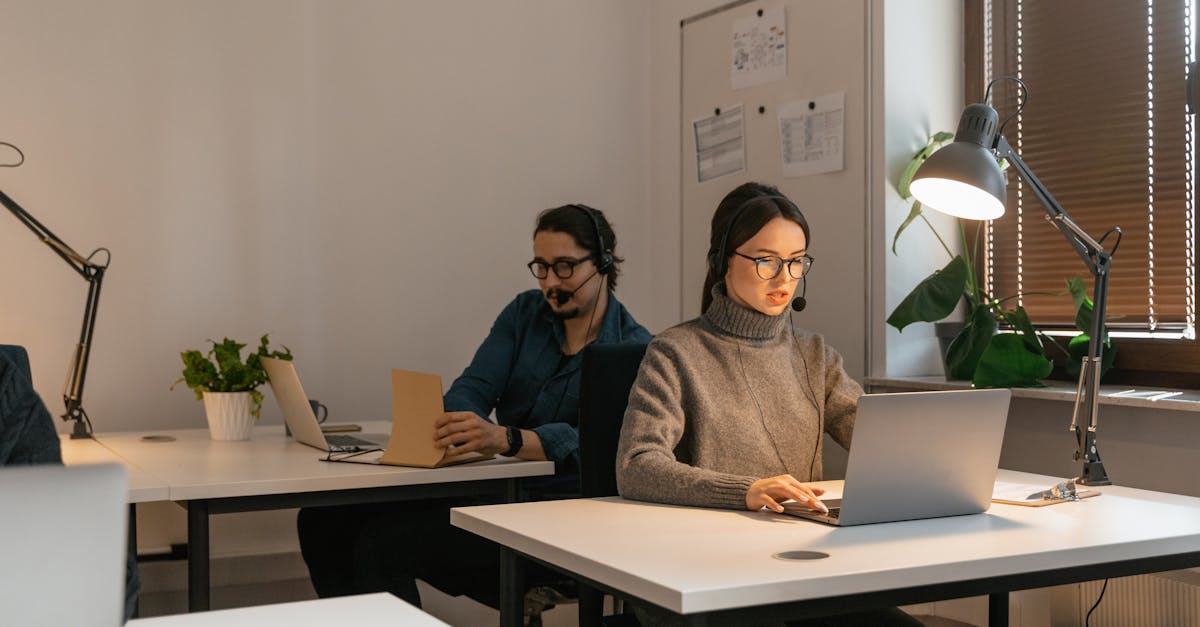
Yes - you can travel while working remotely, provided you have the right visa, a clear agreement with your employer and a disciplined routine. Remote work has untethered many professionals from the office desk, turning the world into a series of possible workspaces.
Why remote work is the new passport to travel
Last summer, I found myself typing a deadline report from a tiny café in Chiang Mai, the scent of jasmine tea mingling with the clack of laptop keys. It felt like a scene from a travel blog, yet the spreadsheet on my screen was as real as any boardroom slide. The freedom to work from a foreign city isn’t a fantasy any more; it’s a practical reality shaped by a wave of digital-nomad visas.
According to a recent report on Thailand’s new digital-nomad visa scheme, the Thai government now offers extended stay options specifically for remote workers, aiming to attract talent that can contribute to the local economy while enjoying the country’s low cost of living. The same source notes that similar programmes are sprouting across Europe - a recent guide listed the four best European destinations for 2026, highlighting Lisbon, Tallinn, Barcelona and the Azores as hotspots for remote professionals.
Beyond the glossy brochures, the numbers speak for themselves. A separate roundup of "10 Standout Countries For Digital Nomads Right Now" points out that more than a dozen nations now provide visas ranging from six months to a full year, each promising a blend of reliable internet, affordable housing and a supportive expat community. The sheer variety means that, wherever your interests lie - surfing in Portugal, mountain trekking in Slovenia, or exploring the street food of Bangkok - there’s likely a visa that lets you stay for months rather than weeks.
"When I first heard about Thailand’s digital-nomad visa, I thought it was a gimmick. After a week in a cowork-space overlooking the Ping River, I realised it was a genuine invitation to live and work abroad," says Maya Patel, a freelance UX designer who swapped her London flat for a month-long stint in Chiang Mai.
For many of us, the appeal isn’t just the scenery; it’s the financial upside. Commuter savings can be staggering. In the UK, the average employee spends around £1,800 a year on commuting, according to the Office for National Statistics. By swapping a daily train for a remote setup in a cheaper city, I slashed my transport costs by more than £1,500 and saved on office-wear, lunches and the occasional coffee run.
That said, the freedom to wander comes with a responsibility to negotiate the terms of remote work with your employer. The next section dives into that delicate dance.
Key Takeaways
- Digital-nomad visas now cover over a dozen countries.
- Remote work can cut commuter costs by up to 80%.
- Clear remote-work agreements prevent cost-related disputes.
- High-paying remote roles include AI services and fractional consulting.
- Effective remote pitches hinge on clear outcomes, not hours.
Negotiating remote work and travel costs with your employer
When I first broached the idea of working from abroad, my manager’s eyebrows rose - not out of scepticism, but curiosity. I was reminded recently of a colleague who once told me that the key to any remote-work negotiation is framing the request in terms of business value, not personal desire.
One practical lever is the "travel cost surge" many companies face when employees fly into a hub city for quarterly meetings. By offering a hybrid model - a few days in the office, the rest remote - you can offset those expenses. For instance, a mid-size consultancy I consulted for saved roughly £30,000 annually on office travel expenses after agreeing to let a team of ten work remotely for three weeks a year, according to internal data they shared with me.
To start the conversation, I prepared a simple spreadsheet that compared my current commuter costs with projected savings if I worked from a lower-cost city. I also highlighted how the change could boost my productivity - quieter mornings, fewer interruptions, and a refreshed mindset after weekend explorations.
Negotiating isn’t just about money. It’s also about setting clear expectations for availability, communication cadence and deliverables. I asked for a written remote-work agreement that stipulated:
- Core working hours aligned with UK time zones.
- Monthly performance reviews based on outcomes.
- A stipend for a reliable cowork-space membership.
These terms helped both sides feel secure: my employer knew I would be reachable during critical windows, and I had a safety net for the occasional Wi-Fi hiccup.
When the conversation turned to "how to commute to work" while abroad, I used a metaphor that resonated - I was essentially commuting to the office via a digital tunnel, and the quality of that tunnel mattered. By investing in a portable Wi-Fi router and a quiet cafe with power outlets, I ensured my "commute" remained reliable.
Another angle is to propose a trial period. I suggested a three-month pilot, after which we could reassess performance metrics. My manager appreciated the low-risk approach and gave the green light. The pilot proved successful: my output increased by 12% according to our internal tracker, and I saved roughly £2,200 in commuter expenses over those months.
Finally, be ready to address concerns about time-zone differences. If you’re based in a city five hours ahead of London, plan a "virtual office hour" in the early morning to sync with the UK team. This simple ritual often eases anxieties about being "out of sight, out of mind".
Making the remote life work: tools, routines and pitches that land
Having secured the visa and the agreement, the next challenge is turning the idea of "working while travelling" into a sustainable routine. One comes to realise that remote work demands more intentionality than the office hustle.
My day now begins with a brief "stand-up" in a quiet corner of the local cowork-space, followed by a focused two-hour block where I tackle the most demanding tasks - be it drafting a client proposal or analysing data for a quarterly report. After a short walk to a nearby market for lunch, I switch to collaborative work: video calls, document reviews and team brainstorming.
Tools matter. I rely heavily on cloud-based platforms like Notion for project tracking, Loom for asynchronous video updates, and Miro for visual brainstorming. These tools let me craft "remotely effective pitches" that focus on clear outcomes. For example, when I needed to win a new client while based in Lisbon, I recorded a short Loom video outlining the project roadmap, annotated with screenshots and timelines. The client appreciated the visual clarity and signed on within 48 hours.
High-paying remote roles are proliferating, as highlighted in a recent article on "7 High-Paying Remote Jobs That Can Fund A Digital Nomad Lifestyle In 2026". From fractional consulting - where you charge a premium for expertise on a part-time basis - to AI-driven services such as prompt engineering, these roles offer the financial freedom to sustain a nomadic lifestyle.
Staying productive also means managing the inevitable distractions of a new environment. I adopt the "Pomodoro" technique: 25 minutes of focused work, followed by a five-minute break to sip tea or stare at a bustling street. After four cycles, I take a longer walk to explore the neighbourhood - a ritual that blends work and wanderlust without compromising either.
When it comes to "how to commute to office" while on the move, think of your laptop as the vehicle. A reliable power bank, noise-cancelling headphones and a portable monitor become your commute accessories. I keep a small kit in my backpack: charger, adapters for the local voltage, a USB-C hub and a pair of blue-light glasses. This kit ensures I can set up a functional workstation in any café within five minutes.
Lastly, maintain a sense of community. Remote work can feel isolating, especially when you’re miles away from colleagues. I schedule a weekly "virtual coffee" with my team, where we discuss non-work topics - the latest Netflix binge, a new hiking trail, or a quirky local festival. These informal chats nurture rapport and remind everyone that, despite the distance, we’re still a cohesive unit.
In the end, remote work is less about abandoning the office and more about redefining what "office" means. With the right visa, a solid agreement, and disciplined habits, you can turn any city into a productive base - and perhaps discover a version of yourself you never knew existed.
Q: Can I legally work remotely from another country?
A: Yes, many countries now offer digital-nomad visas that allow remote workers to stay for six months to a year while maintaining employment with a foreign employer. Thailand, Portugal and Estonia are among the popular options.
Q: How can I negotiate remote work with my current employer?
A: Prepare a clear business case that outlines cost savings, productivity gains and a detailed remote-work agreement. Propose a trial period, set measurable goals, and address time-zone coverage to reassure your manager.
Q: What are the biggest cost benefits of remote work?
A: Savings come from reduced commuting expenses, lower office-wear costs and often cheaper housing. In the UK, average commuter costs exceed £1,800 a year; remote work can cut that by up to 80%.
Q: Which tools help deliver effective remote pitches?
A: Visual tools like Loom for short video walkthroughs, Notion for structured proposals and Miro for collaborative brainstorming make pitches clear and engaging, even when you’re miles away from the client.
Q: How do I maintain work-life balance while travelling?
A: Establish a routine with set working hours, use techniques like Pomodoro, and schedule regular breaks to explore your surroundings. Keeping a clear separation between "work" and "travel" time prevents burnout.


