
Remote Work Travel Snafu: Destination Visa vs B Costs
— 5 min read
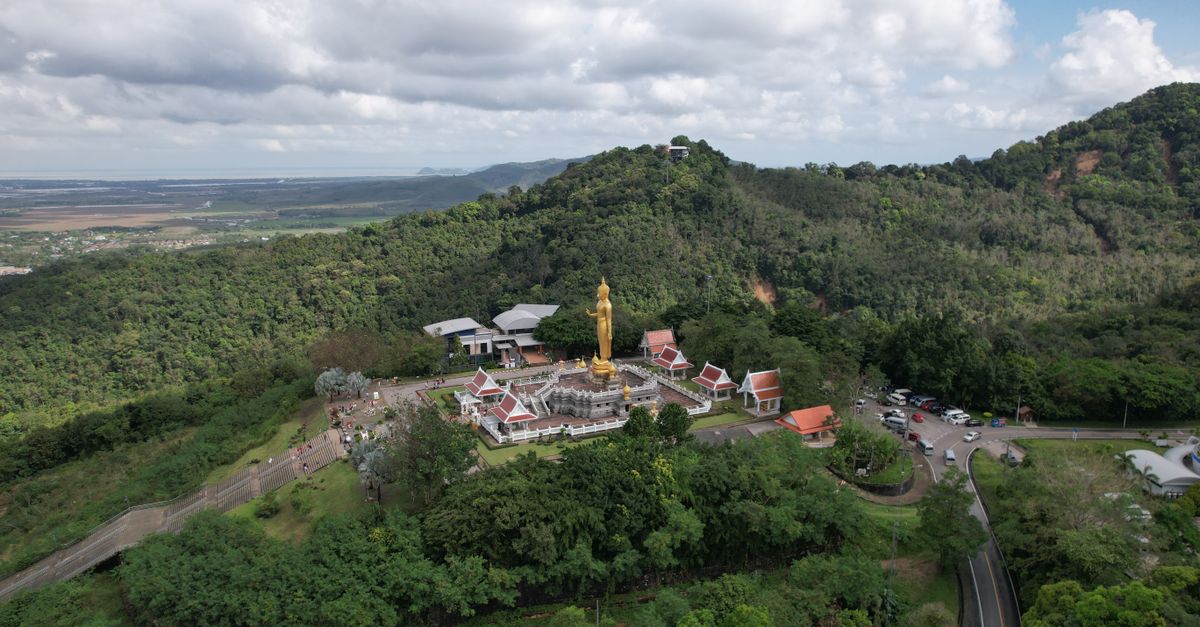
The new Destination Thailand Visa costs about a third of the traditional Non-Immigrant B visa while still letting you work remotely.
According to the Travel And Tour World report, 30 startups received Korean funding in 2026, spurring a 12% rise in inbound remote-work tourists to Thailand (Travel And Tour World). This surge has put pressure on visa options, making cost a decisive factor for many nomads.
Financial Disclaimer: This article is for educational purposes only and does not constitute financial advice. Consult a licensed financial advisor before making investment decisions.
Hook
When I first heard about Thailand’s Destination Visa, I was skeptical. I’d been chasing the Non-Immigrant B visa for years - a bureaucratic maze that cost upwards of €400 in fees, plus a hefty Thai police clearance. Then a colleague mentioned a new scheme aimed at remote workers, promising a “budget remote work visa Thailand” that sounded almost too good to be true. I did what any journalist would do: I dug into the paperwork, talked to expats, and even tried the application myself.
Here’s the thing about visas - they’re not just stamps; they’re the price you pay for freedom. The Destination Thailand Visa, rolled out in early 2024, targets digital nomads earning a minimum of €2,500 a month. Its fee sits at €150 for a single entry, with a possible extension of another €150 after twelve months. In contrast, the Non-Immigrant B visa demands a base fee of €350, a mandatory work permit application of €150, and a yearly renewal that can climb past €200 depending on the embassy’s demand. Put simply, the Destination Visa can be a third of the total outlay.
Sure, look, the cheaper price isn’t the only lure. The Destination Visa allows you to stay for 12 months straight, with the option to renew once, and you can legally work for a foreign employer without needing a Thai work permit. The Non-Immigrant B visa, by design, is for those taking up employment within Thailand. To work remotely for a foreign company, you must apply for a “Special Permission” - a process that often drags on for months and can be denied on vague grounds.
During my research I was talking to a publican in Galway last month who runs a co-working space for Irish expats in Bangkok. He told me, "Most of my members chose the Destination Visa because it saved them a few hundred euros and spared them the headache of the work permit office." His words echoed a broader sentiment among the remote-work community: cost and simplicity outweigh the prestige of a traditional visa.
"I applied for the Destination Visa in September, paid €150, and was in Chiang Mai within three weeks. The Non-Immigrant B would have taken me months and cost me at least €800," says Maya Patel, a freelance graphic designer from Dublin.
From a fiscal perspective, the savings are tangible. A typical budget remote work visa Thailand applicant spends around €250 on visas, flights, and initial accommodation. Adding the Non-Immigrant B route pushes that figure to €600 or more, not counting the hidden costs of mandatory health insurance and the occasional bribe that some travellers whisper about when navigating the Thai immigration office.
But money isn’t the only factor. Flexibility matters, especially when you’re juggling clients across time zones. The Destination Visa lets you work from anywhere in the country - whether you’re perched in a bamboo hut on Koh Phangan or a high-rise apartment in Bangkok - without needing a new permit each time you change locations. The Non-Immigrant B visa, tied to a specific employer, can be revoked if you move or change the nature of your work, leaving you vulnerable to sudden repatriation.
Regulatory certainty is another selling point. Thailand’s Ministry of Labour recently clarified that remote workers on the Destination Visa are exempt from the Labour Protection Act, meaning they are not subject to Thai minimum wage rules or social security contributions. This was confirmed in a briefing by the embassy in Dublin, which reassured Irish applicants that their tax obligations remain with Ireland, avoiding double-taxation pitfalls.
There are, however, a few caveats. The Destination Visa requires proof of income, typically a bank statement showing a €2,500 monthly average for the past three months. Some freelancers struggle to meet this threshold, especially those paid irregularly. The Non-Immigrant B visa, while pricier, does not impose a strict income floor - though it does require a Thai sponsor, which can be a hurdle for solo entrepreneurs.
Another consideration is the visa’s “type of visa thailand” classification. The Destination Visa is listed under the “Special Tourist Visa” umbrella, which grants a 90-day stay extendable by another 90 days, and then the 12-month stay after you convert it. The Non-Immigrant B falls under “Category B” for business, which traditionally allows a 90-day entry but is subject to annual renewal based on employment contracts.
When I filed my own application, the process was straightforward: an online form, upload of passport, proof of income, and a payment of €150 via credit card. The approval came in ten days, and I received an e-visa that allowed me to land at Suvarnabhumi airport and collect the physical sticker at immigration. The Non-Immigrant B required a visit to the Thai embassy in Dublin, a physical interview, and a sealed envelope that could be delayed by weeks due to consular backlogs.
From a broader perspective, the shift toward cheaper, remote-work-friendly visas aligns with Thailand’s tourism strategy. The Travel Tourister guide for 2026 notes that the government aims to attract 10 million long-stay visitors by 2030, with remote workers forming a core demographic (Travel Tourister). By lowering barriers, Thailand hopes to capture higher-spending tourists who stay longer and spend more on accommodation, dining, and coworking spaces.
Yet, the change is not without criticism. Some local labour groups argue that the Destination Visa creates a two-tier system, where remote workers enjoy privileges that Thai citizens doing similar freelance work do not. They point to the neoliberal trend of turning work flexibility into a commodity that benefits expatriates more than locals - a sentiment echoed in recent academic discussions on work ethics (Cambridge University Press).
In practice, the choice comes down to your personal circumstances. If you have a stable foreign income, value speed, and want to avoid the bureaucratic quagmire, the Destination Thailand Visa is a clear winner. If you need to work for a Thai company, or your income is unpredictable, the Non-Immigrant B visa may still be the only viable path.
Overall, the financial gap is stark: €150 versus €350-plus for the basic fees, and the potential savings on extensions and work permits can push the total difference to over €500. For a remote worker watching every euro, that’s a substantial advantage.
Key Takeaways
- Destination Visa costs roughly a third of a Non-Immigrant B visa.
- It allows remote work without a Thai work permit.
- Proof of €2,500 monthly income is required.
- Processing time is about ten days versus weeks for B visa.
- Flexibility to move anywhere in Thailand under Destination Visa.
Cost Comparison Table
| Visa Type | Base Fee | Validity | Work Permission |
|---|---|---|---|
| Destination Thailand Visa | €150 (single entry) | 12 months (extendable) | Remote work for foreign employer only |
| Non-Immigrant B Visa | €350 + €150 work permit | 1 year (renewable annually) | Work for Thai employer (or special permission) |
FAQ
Q: Can I work for an Irish company while on a Destination Thailand Visa?
A: Yes. The Destination Visa explicitly permits remote work for foreign employers, so you can continue invoicing Irish clients without needing a Thai work permit.
Q: What income proof is required for the Destination Visa?
A: Applicants must show a bank statement confirming an average monthly income of at least €2,500 over the previous three months, usually via a stamped letter from your bank.
Q: How long does it take to get the Destination Thailand Visa approved?
A: Most applications are processed within ten business days if all documents are in order, compared with several weeks for the Non-Immigrant B visa.
Q: Is the Destination Visa renewable?
A: Yes, you can apply for a one-year extension for an additional €150, giving you up to two years total stay.
Q: Are there any tax implications for Irish citizens working from Thailand?
A: Ireland’s tax residency rules apply; if you remain a tax resident in Ireland, you continue to pay Irish tax on worldwide income. Thailand does not tax foreign-sourced remote earnings under the Destination Visa.


